
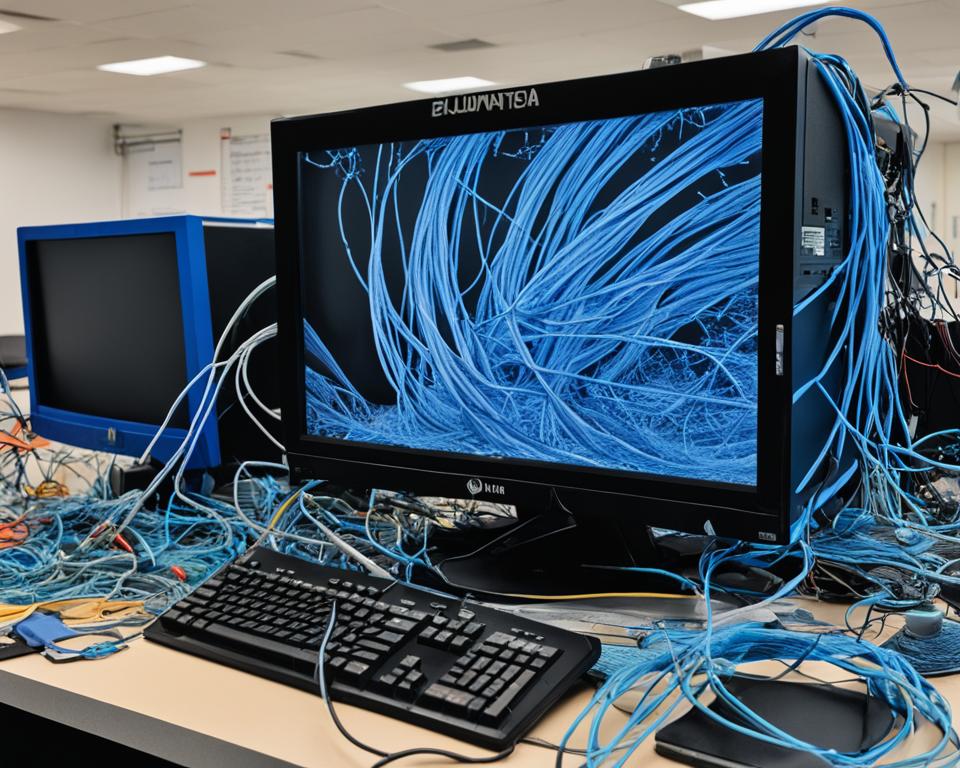
Computers are important tools. They help us do many tasks. Sometimes, computers can break. This is when we need to fix them. Troubleshooting helps find the problem.
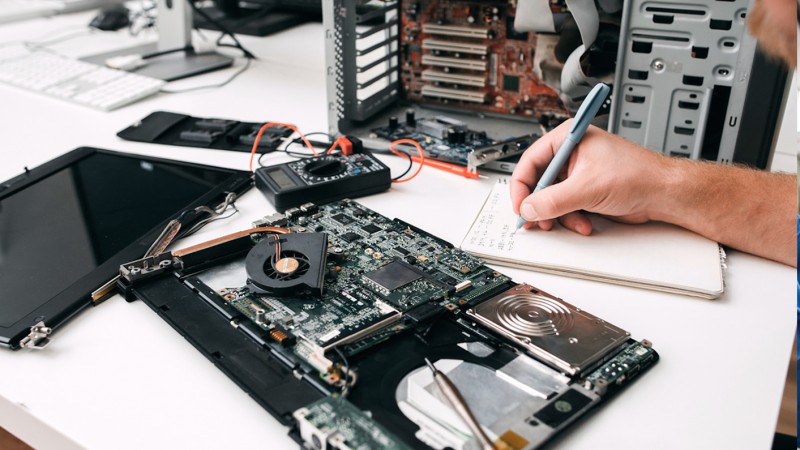
Why Computers Break
Computers are machines. Machines can have problems. Problems can be big or small. Some common problems are:
- Slow performance
- Not starting
- Screen problems
- Noise from the fan
- Overheating
Understanding why computers break can help. It makes fixing them easier.
How to Fix a Slow Computer
Slow computers can be annoying. Here is how to fix them:
- Check for viruses.
- Remove unused programs.
- Clear browser cache.
- Upgrade RAM if needed.
- Restart your computer.
These steps can make a computer faster. It can make using it more fun.
Fixing a Computer That Won’t Start
Sometimes, computers will not start. This can be scary. Here is what to do:
- Check the power source.
- Look at the cables.
- Check the battery if it is a laptop.
- Remove and reinsert the RAM.
- Listen for beeps. Beeps can help find the problem.
These steps can help start a computer. It can save you a trip to the repair shop.
Screen Problems
Screens can have issues. They might be blurry. They might not show anything. Here is how to fix them:
- Check the cable connection.
- Adjust the screen brightness.
- Update the graphics driver.
- Try a different screen.
- Restart the computer.
Fixing screen problems can help. It makes it easier to see what you are doing.
Fixing Fan Noise
Fans can be noisy. Noise can be distracting. Here is how to fix fan noise:
- Clean the fan.
- Check for dust.
- Ensure the fan is not blocked.
- Replace the fan if needed.
- Check if the fan is loose.
Fixing fan noise can make work more pleasant. It can help you focus better.
Dealing With Overheating
Computers can overheat. Overheating can cause damage. Here is how to fix it:
- Keep the computer in a cool place.
- Use a cooling pad for laptops.
- Check the vents for dust.
- Ensure the fan is working.
- Limit heavy usage.
Stopping overheating is important. It keeps your computer safe.
When to Seek Professional Help
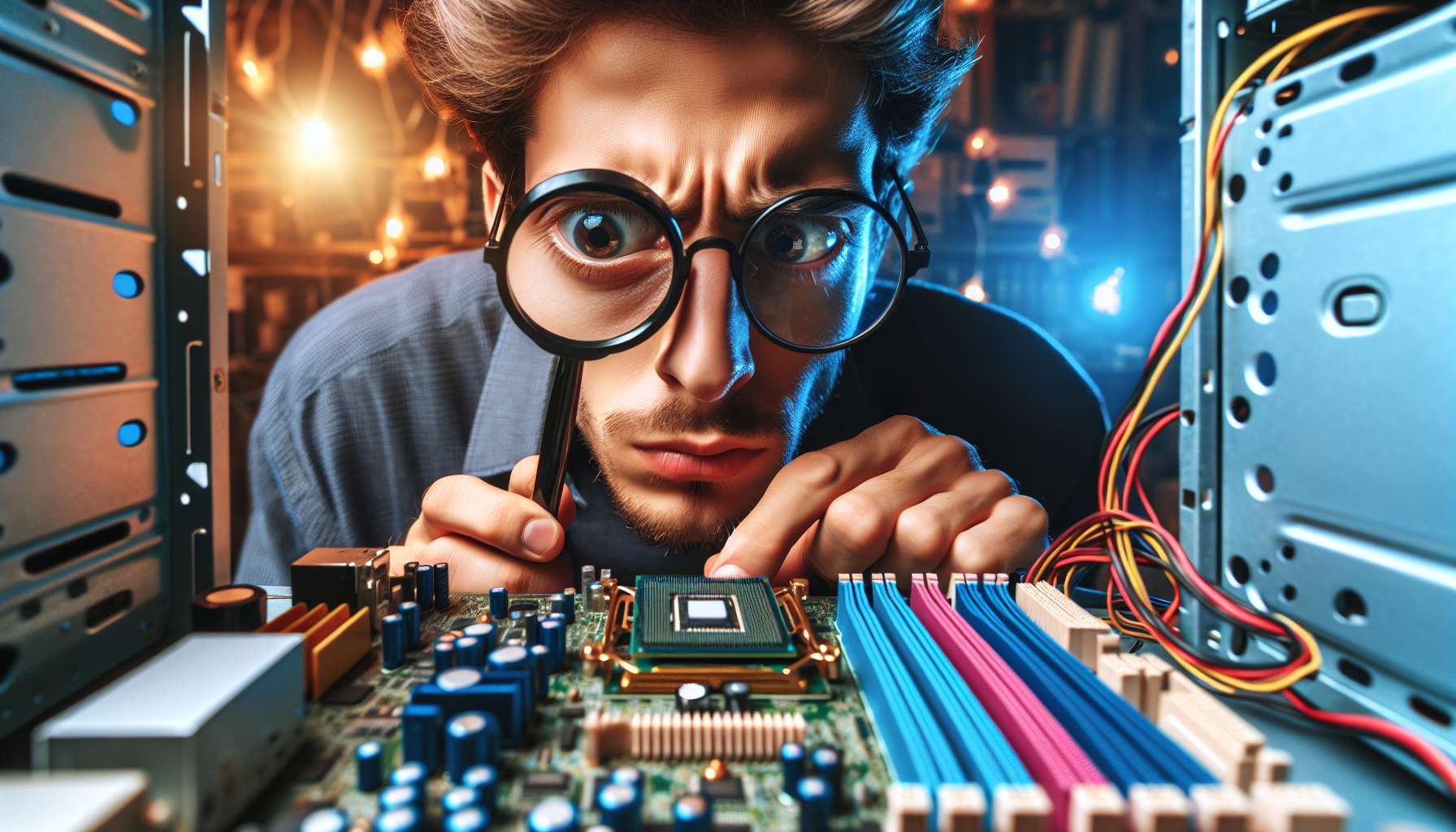
Sometimes, problems are too big. They need a professional. Here are signs you need help:
- Computer shuts down often
- Strange sounds from the computer
- Blue screen errors
- Virus that won’t go away
Professionals can fix hard problems. They can save you time and trouble.
Preventing Computer Problems
Preventing problems is better than fixing them. Here is how:
- Regularly update software
- Use antivirus programs
- Avoid downloading unknown files
- Keep the computer clean
- Back up important files
Prevention can save you from trouble. It keeps your computer running smoothly.
Frequently Asked Questions
What Are Common Computer Repair Issues?
Common issues include slow performance, virus infections, and hardware failures. Regular maintenance helps prevent these problems.
How Can I Speed Up My Computer?
Clean up files, uninstall unused programs, and increase RAM. These steps can improve speed.
Why Does My Computer Keep Freezing?
Freezing often occurs due to overheating, faulty hardware, or software conflicts. Check cooling systems and update software.
How Do I Fix A Computer That Won’t Start?
Check power connections and battery. Also, ensure no peripheral devices are causing issues.
Conclusion
Computers are helpful. They help us do many things. Sometimes they break. Knowing how to fix them is useful. It can save time. It can save money.
Remember, fixing computers can be easy. Follow the steps. You can solve many problems yourself. If the problem is big, ask for help.
Enjoy using your computer. It can do amazing things. Keep it in good shape. It will help you every day.
You May Like To Read:
- The Rise of AI: Transforming Every Industry
- Metaverse Mania: The Future of Virtual Reality
- Cloud Computing Technology: Revolutionizing Modern Business
- DevOps vs Agile: Optimize Your Workflow
- Top 10 AI Tools to Skyrocket Your Creativity
- DIY Smart Home Setup: Automate Your World
- AI vs Human: Who Will Be the Boss of Jobs in the Future?
- The Future of Transportation: Innovative Revolution